
Full-body Pilates workouts are rapidly gaining popularity worldwide as more people seek effective, low-impact fitness routines that support long-term health and wellness. From busy professionals to Gen Z fitness enthusiasts, Pilates has become a go-to exercise for improving strength, flexibility, posture, and mental focus without placing excessive stress on the joints. Fitness platforms like ClassPass have reported a sharp rise in Pilates bookings in recent years, highlighting the growing demand for sustainable and balanced workout options. Unlike high-intensity training, Pilates focuses on controlled movements, core engagement, and full-body conditioning, making it suitable for all fitness levels. Regular practice can enhance mobility, improve balance, increase muscular endurance, and support better body alignment. This article explores how full-body Pilates workouts help build both strength and flexibility while promoting overall physical well-being and functional fitness.
What Are Pilates Workouts?
Pilates is a low-impact exercise method designed to strengthen the body, improve flexibility, and enhance overall posture and balance through controlled movements. Developed in the early 20th century by Joseph Pilates, the workout focuses on building core strength while creating a strong mind-body connection. Unlike traditional strength training, which often emphasizes heavy weights and repetitive movements, Pilates uses precise, flowing exercises that improve muscular endurance, stability, and coordination. Breathing techniques and proper body alignment are central to every movement, helping practitioners move more efficiently and reduce the risk of injury.
There are several popular types of Pilates, including Mat Pilates, which uses body weight exercises on a mat, and Reformer Pilates, performed on specialized resistance equipment. Classical Pilates follows the original teachings of Joseph Pilates, while Contemporary Pilates blends modern fitness science with traditional techniques. Today, over 12 million people practice Pilates globally, making it one of the fastest-growing workout categories worldwide.
Why Pilates Workouts Are Increasing in Popularity
Social Media & Celebrity Influence
Pilates has gained massive visibility through TikTok wellness culture, Instagram fitness creators, and celebrity endorsements. The popular “Pilates body” trend has encouraged younger audiences to adopt workouts focused on lean muscle tone, flexibility, and posture. Social media also makes Pilates routines visually appealing and easy to follow, increasing its popularity worldwide.
Demand for Low-Impact Fitness
Many people are moving away from high-intensity workouts and choosing joint-friendly fitness options. Pilates is ideal for beginners, older adults, and individuals recovering from injuries because it improves strength and mobility without placing heavy stress on the body.
Rise of Hybrid & Home Fitness
The growth of online fitness platforms, virtual instructors, and YouTube Pilates workouts has made Pilates more accessible than ever. Users can now practice from home using mobile apps or live-streamed classes, supporting the rise of hybrid fitness lifestyles.
Mental Health & Wellness Focus
Pilates promotes mindfulness, controlled breathing, and stress reduction while helping improve posture caused by long desk-based work hours. Recent fitness reports also show strong year-over-year growth in Pilates participation, with the global Pilates studio market projected to expand significantly through 2035.

Benefits of Full-Body Pilates Workouts
Builds Core Strength
Pilates is widely known for strengthening the core through deep abdominal activation and controlled movement patterns. Regular practice improves spinal support, strengthens the pelvic floor, and creates a stable foundation for everyday movement and physical activity.
Improves Flexibility
Full-body Pilates workouts combine strength training with dynamic stretching exercises that help lengthen muscles and increase overall range of motion. This leads to improved mobility and reduced muscle stiffness over time.
Enhances Posture
Pilates helps counteract poor posture caused by long hours of sitting and desk-based work. By focusing on spinal alignment and body awareness, it encourages better posture, balance, and movement efficiency.
Supports Weight Management
Although low-impact, Pilates can support weight management by building lean muscle, increasing muscular endurance, and improving overall body composition when combined with a healthy lifestyle.
Improves Balance & Stability
Controlled exercises strengthen stabilizing muscles, improve coordination, and support better functional movement patterns in daily life.
Reduces Injury Risk & Boosts Mental Wellness
Pilates emphasizes precise movement, breathwork, and concentration, which can reduce injury risk, lower stress levels, improve focus, and promote a stronger mind-body connection.
Full-Body Pilates Workout Routine
This beginner-friendly full-body Pilates workout is designed to improve strength, flexibility, posture, and overall body awareness using simple, low-impact movements. The routine focuses on controlled exercises that activate the core, increase mobility, and prepare the body for more advanced Pilates movements. Whether you are new to fitness or looking for a sustainable workout option, this routine can help build a strong foundation while reducing stress on the joints. Starting with a proper warm-up is essential to safely awaken the muscles, improve circulation, and enhance movement quality throughout the workout.
Warm-Up Exercises (5 Minutes)
Begin with gentle mobility exercises to loosen tight muscles and activate the core. Start with Cat-Cow Stretch movements to improve spinal flexibility and release tension in the back. Follow with Shoulder Rolls to relax the upper body and improve posture. Pelvic Tilts help engage the abdominal muscles and prepare the lower back for movement, while Standing Roll Downs gently stretch the spine and hamstrings. Together, these warm-up exercises improve mobility, increase blood flow, and activate core muscles for the workout ahead.
Core Pilates Exercises
The Hundred
The Hundred is a classic Pilates exercise designed to strengthen the core while improving breathing control and endurance. It involves controlled arm pulses with coordinated breathing patterns that activate the deep abdominal muscles. Beginners can modify the exercise by keeping their knees bent or feet on the floor for added support.
Single-Leg Stretch
This exercise focuses on abdominal engagement and coordination. By alternating leg movements while maintaining core stability, the Single-Leg Stretch helps strengthen the lower abs and improve balance and body control.
Double-Leg Stretch
The Double-Leg Stretch challenges coordination and control by extending both arms and legs away from the body while maintaining core engagement. It strengthens the abdominal muscles and encourages smooth, controlled movement patterns.
Plank Hold
The Plank Hold is an effective full-body stabilization exercise that strengthens the core, shoulders, arms, back, and legs. It also improves posture, balance, and muscular endurance through controlled alignment and steady breathing.
Lower Body Pilates Workouts
Glute Bridges
Glute Bridges are excellent for activating the glutes, hamstrings, and core muscles. This exercise helps strengthen the lower body while improving pelvic stability and spinal alignment through controlled lifting movements.
Side-Lying Leg Lifts
Side-Lying Leg Lifts target the outer thighs, hips, and glute muscles. They improve hip stability, strengthen supporting muscles, and help enhance balance and lower-body control.
Clamshells
Clamshells are a popular Pilates movement for strengthening the hip abductors and glutes. This exercise supports better hip mobility and stability while helping reduce muscle imbalances caused by prolonged sitting.
Squats with Pilates Form
Pilates-style squats focus on proper posture, controlled movement, and core engagement while strengthening the legs and glutes. Unlike traditional squats, Pilates squats emphasize alignment and smooth movement patterns for improved body awareness.
Together, these lower-body Pilates workouts help improve glute activation, increase hip stability, build leg strength, and support better balance and functional movement in everyday activities.
Upper Body Pilates Workouts
Pilates Push-Ups
Pilates Push-Ups combine upper-body strength training with core control. This exercise targets the chest, shoulders, arms, and abdominal muscles while encouraging proper posture and controlled movement.
Arm Circles
Arm Circles are simple yet effective for improving shoulder mobility and endurance. Small controlled circles help strengthen the shoulders and upper arms while enhancing stability and coordination.
Swimming Exercise
The Swimming Exercise strengthens the back, shoulders, glutes, and core through alternating arm and leg movements. It promotes spinal extension, improves posture, and supports better overall body alignment.
Resistance Band Pulls
Resistance Band Pulls help strengthen the upper back, shoulders, and arms while improving posture and muscular balance. This exercise is especially helpful for reducing tension caused by long hours of sitting.
Together, these upper-body Pilates workouts improve shoulder stability, build back strength, enhance muscular endurance, and support better posture for everyday movement and overall fitness.
Flexibility & Cool-Down Routine
A proper cool-down routine is an important part of any full-body Pilates workout because it helps the body recover, reduces muscle tension, and improves overall flexibility. Slow, controlled stretching movements also encourage relaxation and support better mobility after exercise.
Begin with Child’s Pose to gently stretch the back, hips, and shoulders while promoting deep breathing and relaxation. This calming position helps release tension built up during the workout. Next, perform the Spine Stretch Forward to lengthen the spine and improve flexibility in the back and hamstrings. The Seated Twist is useful for improving spinal mobility and relieving stiffness in the upper and lower back through gentle rotational movement. Finish with a Hamstring Stretch to loosen tight leg muscles and improve lower-body flexibility.
Together, these cool-down exercises support muscle recovery, increase range of motion, and help reduce post-workout soreness. They also encourage mindfulness and relaxation, leaving the body feeling refreshed, balanced, and more flexible after a full-body Pilates session.
Beginner vs Advanced Pilates Workouts

Pilates workouts can be adapted for every fitness level, from complete beginners to experienced practitioners. Beginner Pilates focuses on learning proper breathing, alignment, and movement control through slow, controlled exercises. These workouts typically include basic core exercises and bodyweight movements that help improve stability, flexibility, and body awareness without overwhelming the muscles or joints. The primary goal at this stage is to build a strong foundation while mastering proper form and technique.
Advanced Pilates workouts, on the other hand, involve faster transitions, more complex exercise combinations, and increased muscular endurance challenges. These sessions often incorporate equipment such as reformers, resistance bands, or Pilates rings to add intensity and resistance. Advanced routines require greater coordination, balance, and core control while maintaining precise movement patterns.
While beginner Pilates emphasizes correct posture and movement quality, advanced Pilates focuses more on endurance, strength progression, and fluid full-body movement. Both levels provide excellent benefits for flexibility, balance, posture, and overall physical fitness.
Mat Pilates vs Reformer Pilates
Mat Pilates and Reformer Pilates are two of the most popular styles of Pilates workouts, each offering unique benefits for strength, flexibility, and body control. Mat Pilates is more affordable and accessible because it mainly uses body weight exercises performed on a mat. It is ideal for home workouts, beginner-friendly routines, and individuals looking to improve core strength and flexibility without expensive equipment. Mat Pilates focuses heavily on balance, posture, and controlled movement patterns using minimal accessories.
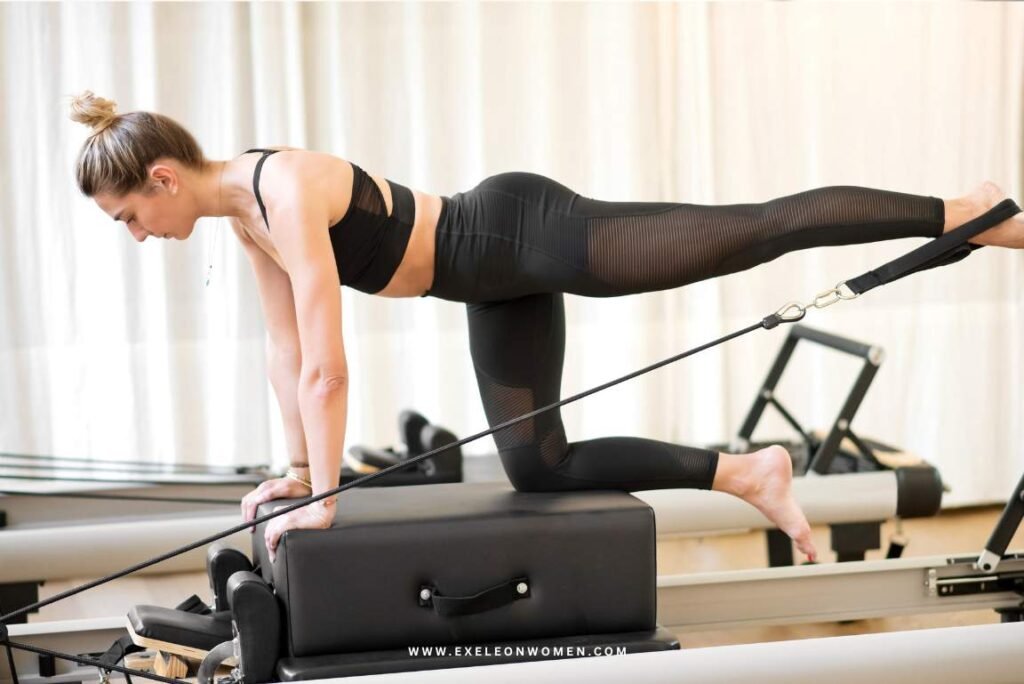
Reformer Pilates, in contrast, uses a specialized machine called a reformer that incorporates spring-based resistance for added intensity and support. These workouts are often studio-focused and provide more customization for different fitness levels and rehabilitation needs. The adjustable resistance allows users to target muscles more precisely while improving coordination, stability, and endurance.
While Mat Pilates is convenient and cost-effective, Reformer Pilates offers a wider variety of exercises and resistance-based training options. Due to increasing global demand for low-impact fitness, the Reformer Pilates market is experiencing rapid growth worldwide.
Best Pilates Workouts for Different Goals
Pilates for Weight Loss
Pilates for weight loss focuses on full-body movements, muscular endurance, and core activation to help increase calorie burn and support lean muscle development. Combining Pilates with cardio and healthy nutrition can improve overall body composition.
Pilates for Back Pain
Gentle Pilates exercises strengthen the core, improve spinal alignment, and reduce muscle tension, making Pilates highly beneficial for individuals experiencing back pain or posture-related discomfort.
Pilates for Athletes
Athletes use Pilates to improve flexibility, mobility, balance, and recovery. It also helps enhance core stability and movement efficiency, which can support better athletic performance and injury prevention.
Pilates for Seniors
Low-impact Pilates workouts are ideal for seniors because they improve balance, joint mobility, posture, and muscular strength while reducing stress on the body.
Pilates During Pregnancy
Prenatal Pilates can help improve pelvic floor strength, posture, flexibility, and breathing control during pregnancy. However, exercises should always be modified under professional guidance.
Pilates for Office Workers
Pilates is especially effective for office workers dealing with poor posture, neck stiffness, and back tension caused by prolonged sitting and desk-based lifestyles.
Common Mistakes to Avoid During Pilates Workouts
Although Pilates is a low-impact workout, incorrect technique can reduce its effectiveness and increase the risk of discomfort or injury. One of the most common mistakes is holding the breath during exercises. Proper breathing is essential in Pilates because it supports core activation, improves movement control, and enhances focus. Poor posture and incorrect alignment can also place unnecessary strain on the neck, back, and joints.
Another frequent mistake is rushing through movements instead of performing them with control and precision. Pilates is designed around slow, mindful motion, so moving too quickly can reduce muscle engagement and stability. Ignoring core engagement is another issue, as the core plays a central role in supporting the spine and maintaining balance throughout each exercise. Overtraining without proper recovery can also lead to muscle fatigue and reduced performance.
Experts recommend prioritizing control over speed and focusing on correct alignment during every movement. Paying attention to posture, breathing, and body awareness helps maximize results while making Pilates workouts safer and more effective.
How Often Should You Do Pilates Workouts?
The ideal Pilates workout frequency depends on your fitness level, goals, and recovery needs. Beginners should start with 2–3 sessions per week to build strength, improve flexibility, and learn proper movement techniques without overwhelming the body. Intermediate practitioners can increase to 4–5 weekly sessions to improve endurance, core stability, and overall conditioning. Advanced Pilates enthusiasts may perform daily mobility-focused sessions that combine strength, stretching, and recovery exercises for consistent movement and flexibility.
Recovery is equally important for achieving the best results from Pilates workouts. Getting enough sleep helps muscles recover and supports overall physical performance. Proper hydration is essential for muscle function, flexibility, and energy levels during workouts. Regular stretching and cool-down routines can also reduce muscle tightness, improve mobility, and prevent overuse injuries. Maintaining a balanced schedule with both exercise and recovery helps maximize the long-term benefits of Pilates.
Equipment Needed for Pilates Workouts
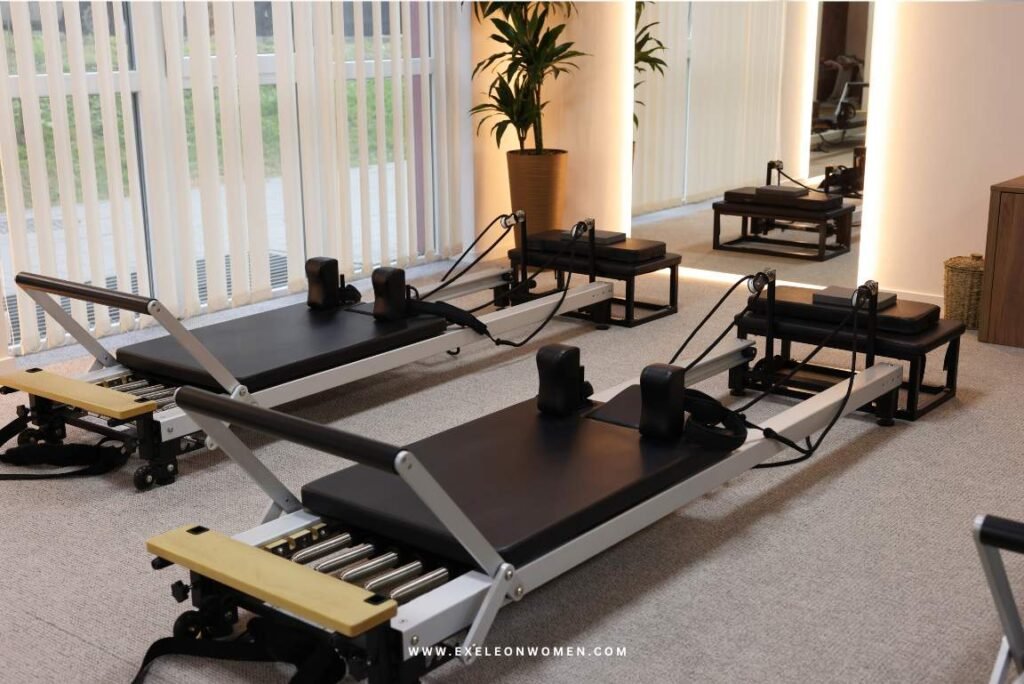
Pilates workouts can be performed with minimal equipment, making them accessible for both home and studio training. One of the most essential items is a yoga mat, which provides cushioning, stability, and support during floor-based exercises. Resistance bands are also commonly used to add light resistance, improve muscle activation, and increase workout intensity without placing stress on the joints.
A Pilates ring, also known as a magic circle, helps target specific muscle groups by adding controlled resistance during core, arm, and leg exercises. Stability balls are useful for improving balance, coordination, and core engagement while adding variety to workouts. These basic tools are affordable, beginner-friendly, and ideal for full-body Pilates routines at home.
Optional equipment can further enhance Pilates training. Reformer machines use spring resistance to create more advanced and customizable workouts that improve strength, flexibility, and posture. Foam rollers support muscle recovery and mobility, while light dumbbells can add extra upper-body resistance and muscular endurance training to Pilates exercises.
The Future of Pilates Workouts
The future of Pilates workouts is being shaped by technology, personalization, and the growing global focus on wellness-based fitness. AI-powered fitness apps are making Pilates more accessible by offering customized workout plans, posture tracking, and real-time movement feedback. Virtual Pilates coaching is also expanding rapidly, allowing users to join live classes or follow guided sessions from home through mobile apps and online platforms.
Boutique Pilates studios continue to grow in popularity as consumers seek premium, community-driven fitness experiences focused on strength, flexibility, and mindfulness. At the same time, smart reformer machines equipped with digital tracking and interactive features are transforming traditional Pilates training into a more personalized and data-driven experience.
The Pilates and yoga studio market is expected to experience strong global growth over the next decade due to increasing demand for low-impact fitness and holistic wellness routines. India’s Pilates and yoga market is also expanding rapidly as more people prioritize mobility, posture correction, stress reduction, and sustainable fitness lifestyles.
FAQs About Pilates Workouts
1. What are Pilates workouts best for?
Pilates workouts are best for improving core strength, flexibility, posture, balance, mobility, and overall body control through low-impact exercises.
2. Is Pilates good for beginners?
Yes, Pilates is highly beginner-friendly because exercises can be modified for different fitness levels and focus on controlled, low-impact movements.
3. Can Pilates help with weight loss?
Pilates can support weight loss by building lean muscle, improving endurance, and increasing overall physical activity, especially when combined with healthy nutrition and cardio exercise.
4. How often should I do Pilates workouts?
Beginners can start with 2–3 sessions weekly, while more advanced practitioners may perform Pilates 4–5 times or even daily with proper recovery.
5. What is the difference between Mat Pilates and Reformer Pilates?
Mat Pilates uses body weight exercises on a mat, while Reformer Pilates uses specialized spring-resistance equipment for added support and intensity.
6. Does Pilates improve posture?
Yes, Pilates strengthens core and back muscles, improves spinal alignment, and helps correct posture issues caused by prolonged sitting or poor movement habits.
7. Can Pilates reduce stress?
Pilates promotes mindful breathing, controlled movement, and relaxation, which can help lower stress levels and improve mental well-being.
Conclusion
Pilates workouts have evolved from a niche exercise method into one of the world’s most popular fitness trends. Their growing popularity is driven by accessibility, low-impact effectiveness, and the increasing focus on wellness-based fitness routines. Pilates offers a balanced approach to health by improving strength, flexibility, posture, mobility, balance, and mental well-being through controlled, mindful movement. Unlike many high-intensity workouts, Pilates is suitable for nearly all fitness levels, from beginners to advanced athletes and older adults. Whether practiced at home or in a studio, Pilates provides a sustainable and effective way to support long-term physical and mental wellness in today’s fast-paced lifestyle.