

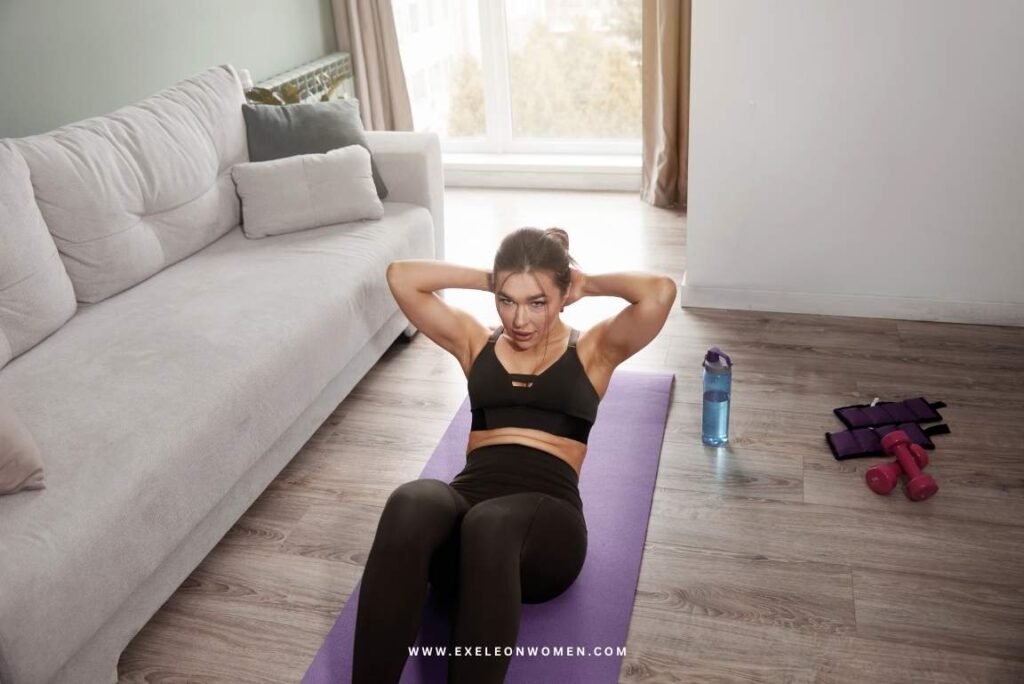
In recent years, fitness at home exercises have seen a remarkable rise, transforming how people approach health and wellness. What was once considered a backup option has now become a primary fitness choice for millions worldwide. Changing lifestyles, busier schedules, and the growing need for flexibility have pushed individuals to seek convenient alternatives to traditional gyms. At the same time, the rapid growth of digital tools such as fitness apps, virtual trainers, and online workout programs has made it easier than ever to stay active without stepping outside.
The shift is clear: around 51% of people now prefer working out at home because it saves time and offers greater comfort. Additionally, more than 345 million users globally engage with fitness apps, highlighting how technology is fueling this trend.
So, why are more people choosing home workouts than ever before? The answer lies in a powerful combination of convenience, accessibility, and the ability to personalize fitness routines to fit any lifestyle.
The Rise of Fitness at Home Exercises (Latest Trends & Data)
Growth After Pandemic
The popularity of fitness at home exercises surged dramatically after the pandemic, reshaping how people stay active. With gyms temporarily closed, many individuals turned to home workouts out of necessity. Even after restrictions eased, this habit continued. Today, a hybrid fitness model combining gym sessions with home workouts—has become the new normal, offering both flexibility and variety.
Market Growth & Industry Data
The shift toward home fitness is backed by strong market growth. The home fitness equipment industry has expanded into a multi-billion-dollar market and continues to grow as demand rises. At the same time, digital fitness adoption has increased by over 30% since 2021, driven by mobile apps, online classes, and virtual coaching platforms that make workouts more accessible and personalized.
Why People Prefer Home Workouts
There are several reasons behind this growing preference. Convenience remains the top factor, with about 51% of users choosing home workouts to save time. Additionally, people value the privacy and comfort of exercising at home, along with flexible schedules and cost savings, making it easier to maintain long-term fitness habits.
Benefits of Fitness at Home Exercises
1. Physical Benefits
One of the biggest advantages of fitness at home exercises is the improvement in overall physical health. Regular bodyweight workouts help build strength, flexibility, and endurance without the need for expensive equipment. Exercises like squats, push-ups, and lunges target multiple muscle groups, promoting balanced fitness. Additionally, consistent home workouts can support weight loss and muscle toning, making it easier for beginners to achieve visible results over time.
2. Mental Health Benefits
Beyond physical gains, home workouts play a significant role in improving mental well-being. Engaging in daily exercise helps reduce stress and anxiety by releasing endorphins, the body’s natural mood boosters. It also enhances focus and mental clarity, which can improve productivity in daily life. Working out in a comfortable home environment can further create a sense of relaxation and control.
3. Lifestyle Benefits
Fitness at home exercises also offer practical lifestyle advantages. They save time by eliminating the need to commute to a gym, making it easier to stay consistent. Moreover, home workouts easily fit into busy schedules, allowing individuals to exercise whenever it’s most convenient, whether early morning or late evening.
Types of Fitness at Home Exercises (Beginner-Friendly)
Starting fitness at home exercises doesn’t require any equipment—just your body weight and consistency. Beginners can choose from a variety of simple yet effective workouts that target different aspects of fitness.
1. Bodyweight Strength Exercises
Bodyweight exercises are ideal for building strength and stability. Squats strengthen your legs and glutes, push-ups target the chest and arms, and lunges improve balance while working the lower body. These exercises form the foundation of any beginner routine.
2. Cardio Exercises at Home
Cardio workouts help increase heart rate and burn calories. Simple movements like jumping jacks, high knees, and burpees are effective for improving stamina and supporting weight loss goals.
3. Flexibility & Mobility Exercises
Flexibility exercises, including stretching routines and basic yoga, enhance mobility, reduce stiffness, and prevent injuries, making workouts safer and more effective.
4. Functional Fitness
Functional fitness focuses on movements like bending, lifting, and reaching—helping you perform everyday activities with ease while improving overall strength and coordination.
Beginner’s Full-Body Workout Plan (No Equipment)

Starting a routine with fitness at home exercises can be simple, effective, and beginner-friendly. This full-body workout plan targets major muscle groups while also improving endurance and flexibility. The best part is that it requires no equipment and can be done in a small space.
Begin with a 5-minute warm-up to prepare your body. This can include light movements like arm circles, marching in place, or gentle stretching to increase blood flow and reduce the risk of injury.
Next, move into the main workout. Perform 10 squats to strengthen your legs and glutes, followed by 8 push-ups to work your upper body and core. Then, complete 10 lunges on each leg, which help improve balance and lower body strength. Add a 20-second plank to engage your core muscles and build stability. Finish the round with 30 seconds of jumping jacks to boost your heart rate and add a cardio element.
Once you complete all exercises, take a short rest and repeat the circuit 2 to 3 times, depending on your fitness level. Stay consistent, focus on proper form, and gradually increase intensity as your strength improves.
Role of Technology in Home Fitness
Technology has played a major role in the rapid growth of fitness at home exercises, making workouts more accessible, engaging, and personalized than ever before. From mobile apps to smart devices, digital innovation continues to transform how people stay fit at home.
Fitness Apps & Online Programs
Fitness apps and online programs have seen a significant surge in downloads and usage worldwide. These platforms offer guided workouts, progress tracking, and customized plans based on individual goals. Many apps now use artificial intelligence (AI) to create personalized routines, helping beginners follow structured programs without needing a personal trainer.
Wearable Technology
Wearable devices such as smartwatches and fitness trackers are trending globally. These tools monitor key metrics like heart rate, steps, calories burned, and sleep patterns. By providing real-time feedback, they help users stay motivated and make informed decisions about their workouts and overall health.
Virtual Coaching & Live Classes
Virtual coaching and live workout classes have become increasingly popular, with over 70% of users preferring on-demand content. These options allow people to exercise anytime while still receiving expert guidance, making home fitness more interactive and effective.
Challenges of Fitness at Home Exercises
While fitness at home exercises offer convenience and flexibility, they also come with certain challenges that can affect consistency and results. One of the most common issues is a lack of motivation. Without the structured environment of a gym or a trainer, it can be difficult to stay disciplined and maintain a regular routine.
Another challenge is limited space, especially for those living in smaller homes or apartments. This can restrict movement and the variety of exercises you can perform. Additionally, the absence of professional supervision may lead to improper form or ineffective workouts, increasing the risk of injury.
Lastly, distractions at home such as phones, television, or family responsibilities—can interrupt workout sessions and reduce focus. Overcoming these challenges requires planning, self-discipline, and creating a dedicated space for exercise.
Tips to Stay Consistent with Home Workouts
Staying consistent with fitness at home exercises can be challenging, but a few simple strategies can make a big difference. First, create a dedicated workout space in your home. Even a small corner can help build a routine and mentally prepare you for exercise.
Setting realistic goals is equally important. Start with achievable targets, such as 15–20 minutes of exercise a day, and gradually increase intensity as your fitness improves. This prevents burnout and keeps you motivated.
Following a structured routine helps turn workouts into a habit. Choose a fixed time each day so your body and mind adapt to a regular schedule. Consistency matters more than intensity in the beginning.
You can also use fitness apps or online videos for guidance. These tools provide step-by-step instructions, making it easier to stay on track without feeling lost.
Finally, don’t forget to track your progress. Monitoring improvements in strength, stamina, or weight can boost motivation and encourage you to keep going.
Future of Fitness at Home Exercises
The future of fitness at home exercises looks promising, driven by rapid advancements in technology and changing lifestyle priorities. Digital fitness will continue to grow as more people rely on apps, online programs, and virtual platforms to stay active. With increasing internet accessibility, home workouts are becoming more interactive and widely available.
One of the biggest trends shaping the future is AI-driven personalized training. Smart algorithms can now create customized workout plans based on individual goals, fitness levels, and progress, making home fitness more effective than ever.
Additionally, the demand for hybrid fitness models a mix of home workouts and gym sessions is expected to rise. This approach offers flexibility while still providing access to professional equipment and environments when needed.
There is also a growing emphasis on mental wellness and holistic health, with more people integrating mindfulness, yoga, and recovery practices into their routines. In fact, nearly 75% of people plan to prioritize their health by 2025, highlighting a strong shift toward long-term well-being.
FAQs – Fitness at Home Exercises
1. What are the best fitness at home exercises for beginners?
Simple exercises like squats, push-ups, lunges, planks, and jumping jacks are great for beginners. They require no equipment and target multiple muscle groups.
2. Can I lose weight with fitness at home exercises?
Yes, consistent home workouts combined with a balanced diet can help you burn calories, lose weight, and improve overall fitness.
3. How long should I exercise at home each day?
Beginners can start with 15–30 minutes a day and gradually increase the duration as their stamina improves.
4. Do I need equipment for home workouts?
No, many effective exercises use just your body weight. Equipment is optional, not necessary.
5. How do I stay motivated to work out at home?
Set realistic goals, follow a routine, track progress, and use fitness apps or videos to stay engaged and consistent.
Conclusion
The growing popularity of fitness at home exercises clearly reflects a major shift in how people approach health and wellness. With the rise of digital tools, flexible routines, and convenient workout options, more individuals are choosing to stay active from the comfort of their homes. This trend has made fitness more accessible and beginner-friendly, removing common barriers like expensive gym memberships or time constraints.
For beginners, starting a fitness journey no longer feels overwhelming. Simple, no-equipment exercises can deliver real results when done consistently. The key is to begin small, stay committed, and gradually build a routine that fits your lifestyle.
By taking that first step today, anyone can move closer to a healthier, stronger, and more balanced life.